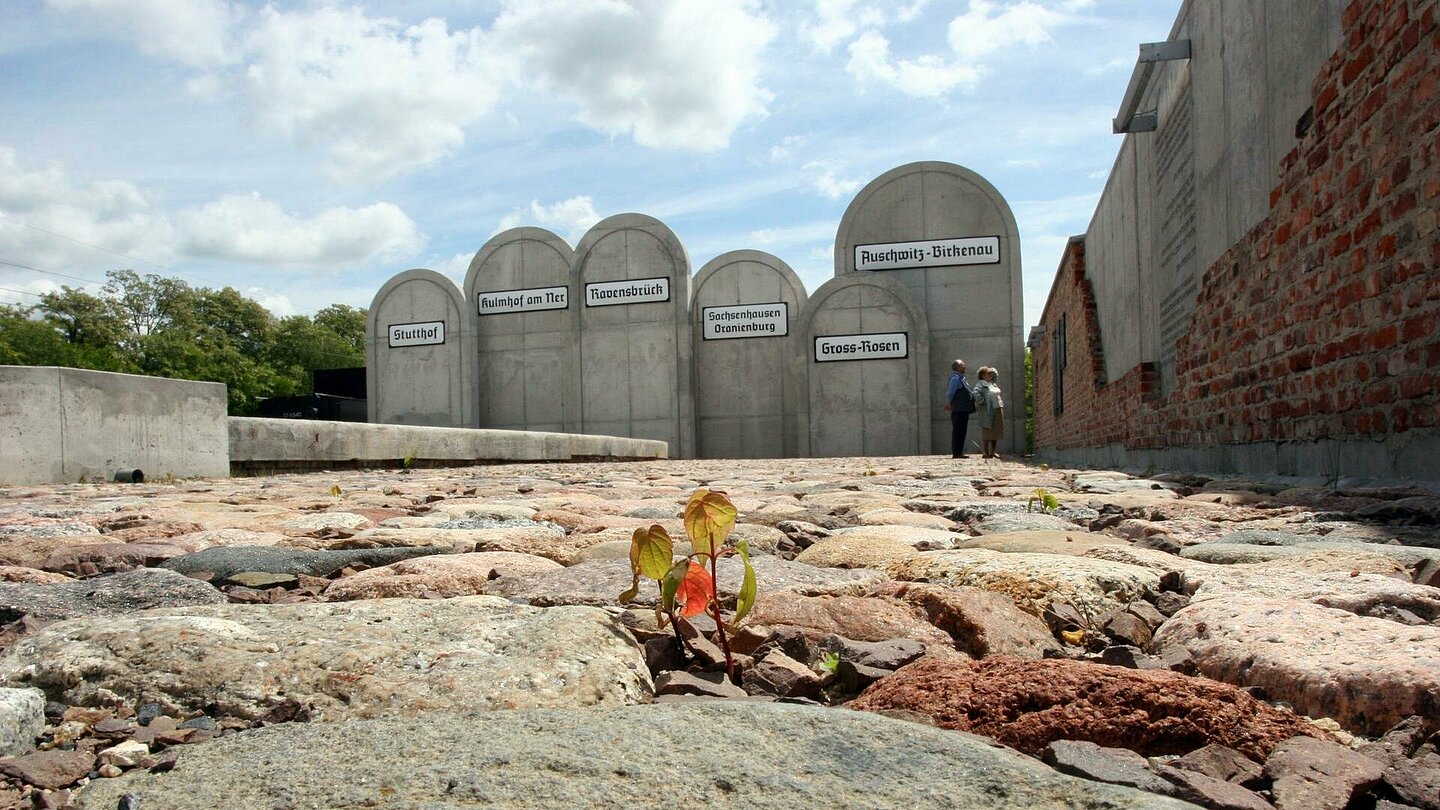
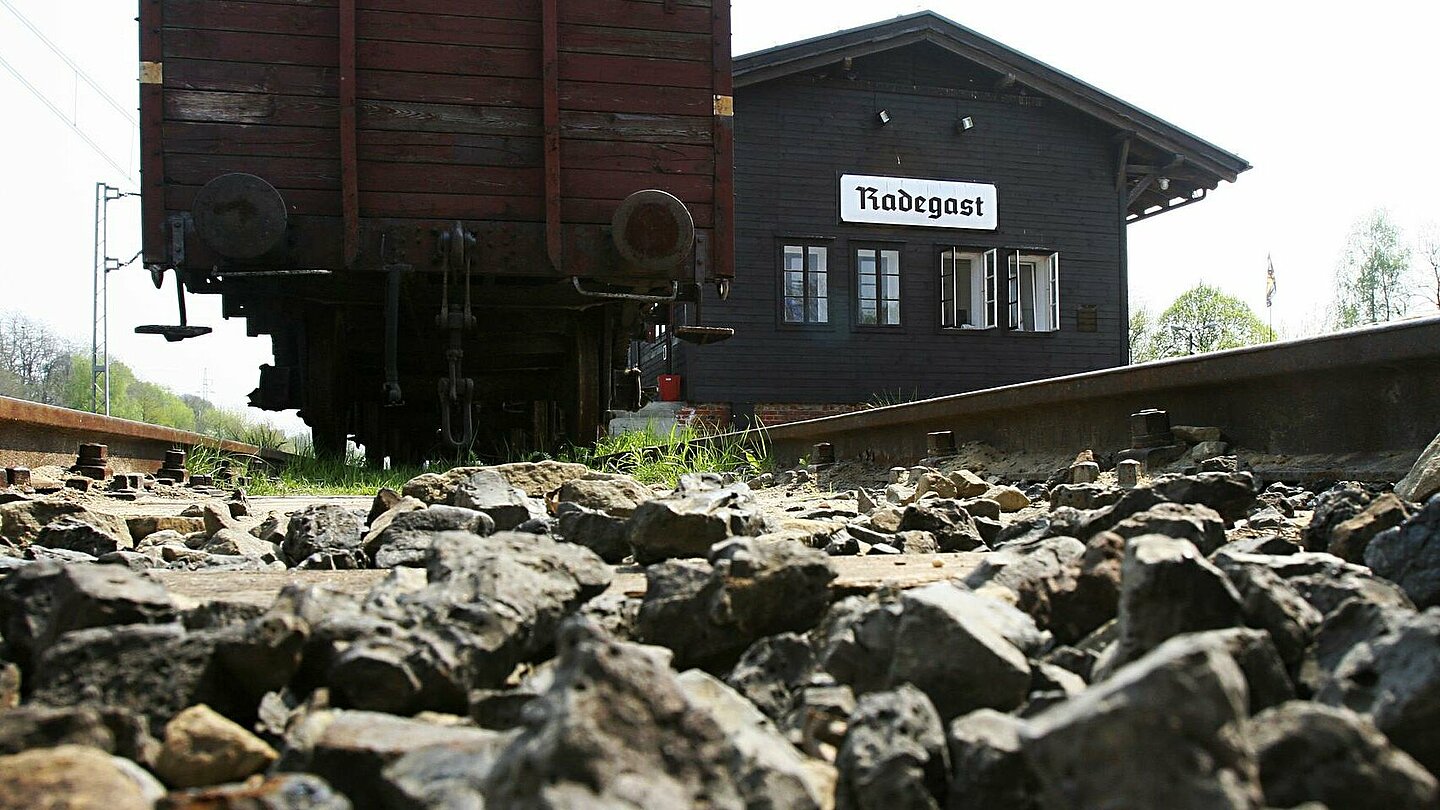
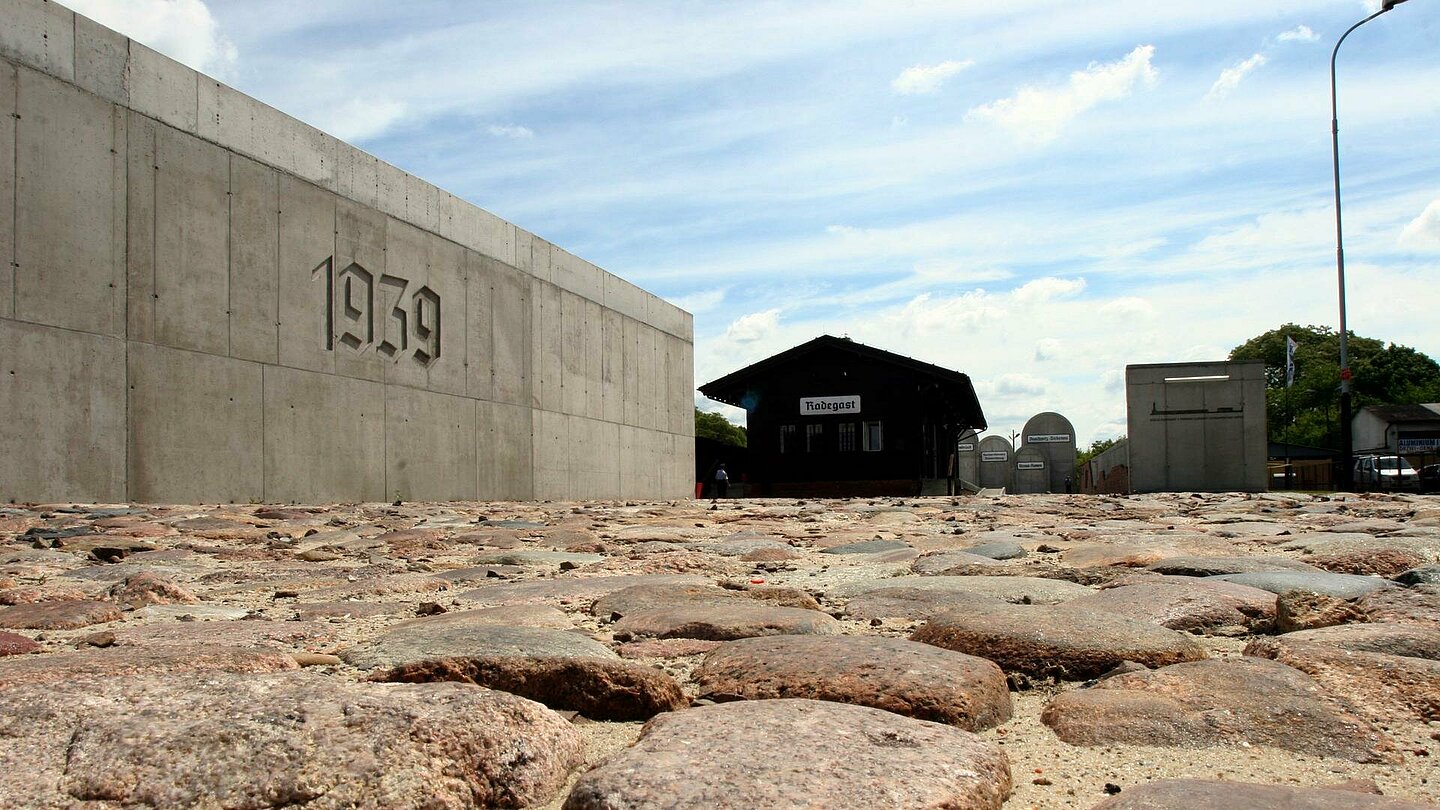

The wooden building of the Radegast Station is a historic railway building from 1941. During World War II, it was connected with the ghetto established by the Germans in 1940 in Łódź (Litzmannstadt). Initially, the facility served as a transshipment point for food and raw materials intended for the population and workplaces of the ghetto. From January 1942, the station became the place from which the Jewish population was deported to the extermination camps in Kulmhof (Chełmno nad Nerem) and Auschwitz-Birkenau. It is estimated that about 145,000 Jews passed through the station. Today, this building serves as a memorial site — part of the Litzmannstadt Ghetto Memorial, established in 2004 — and houses a branch of the Museum of Independence Traditions in Łódź.
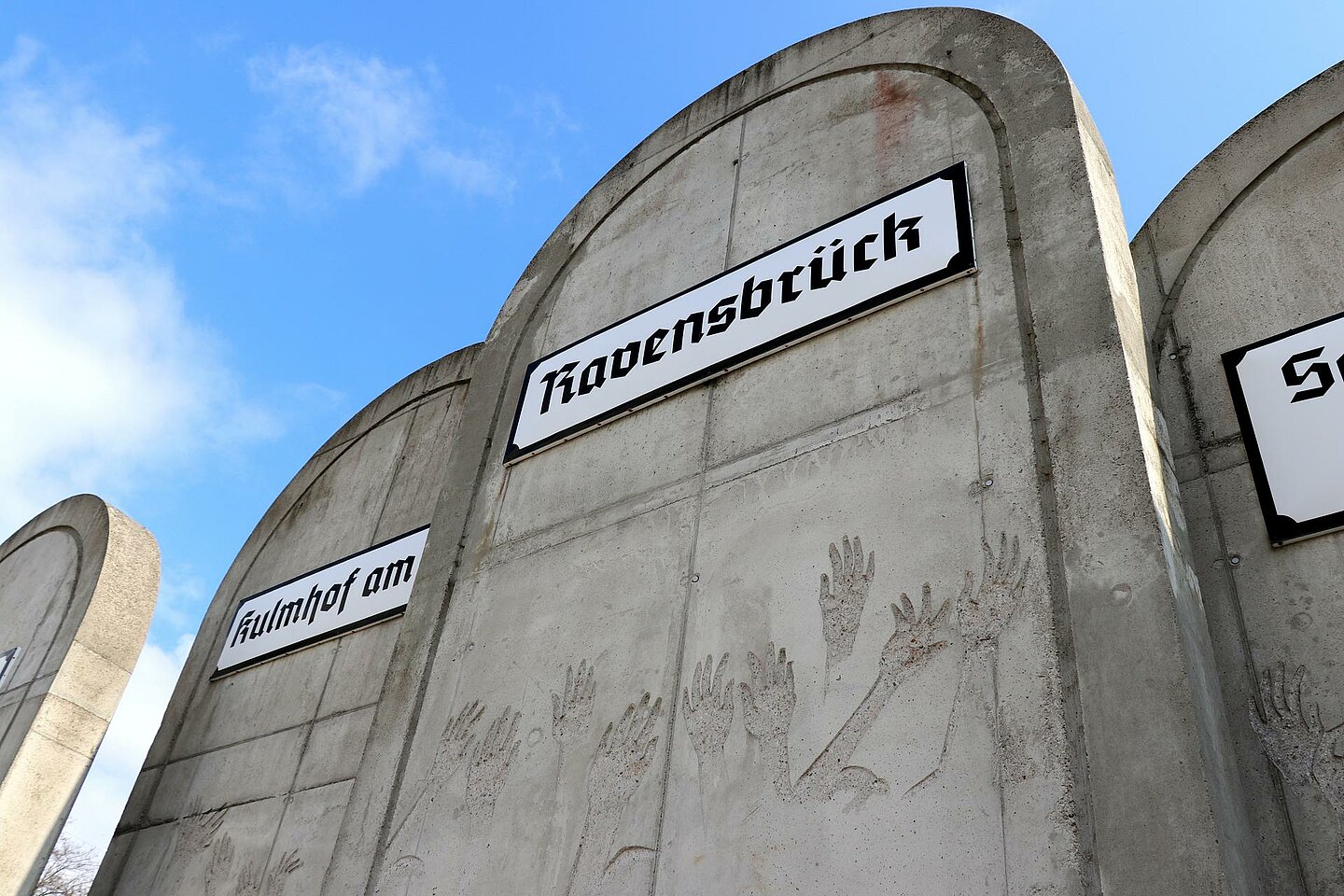
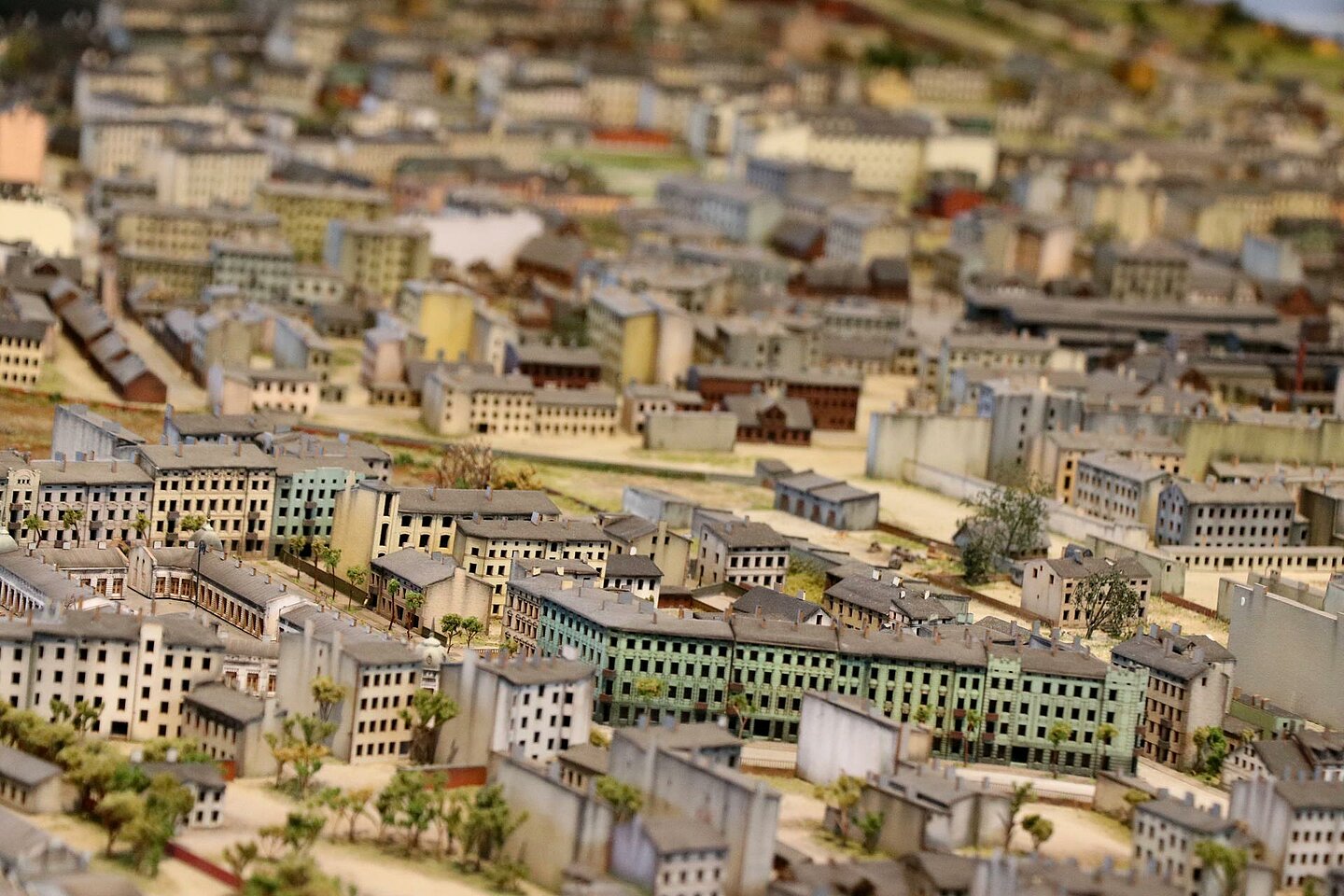
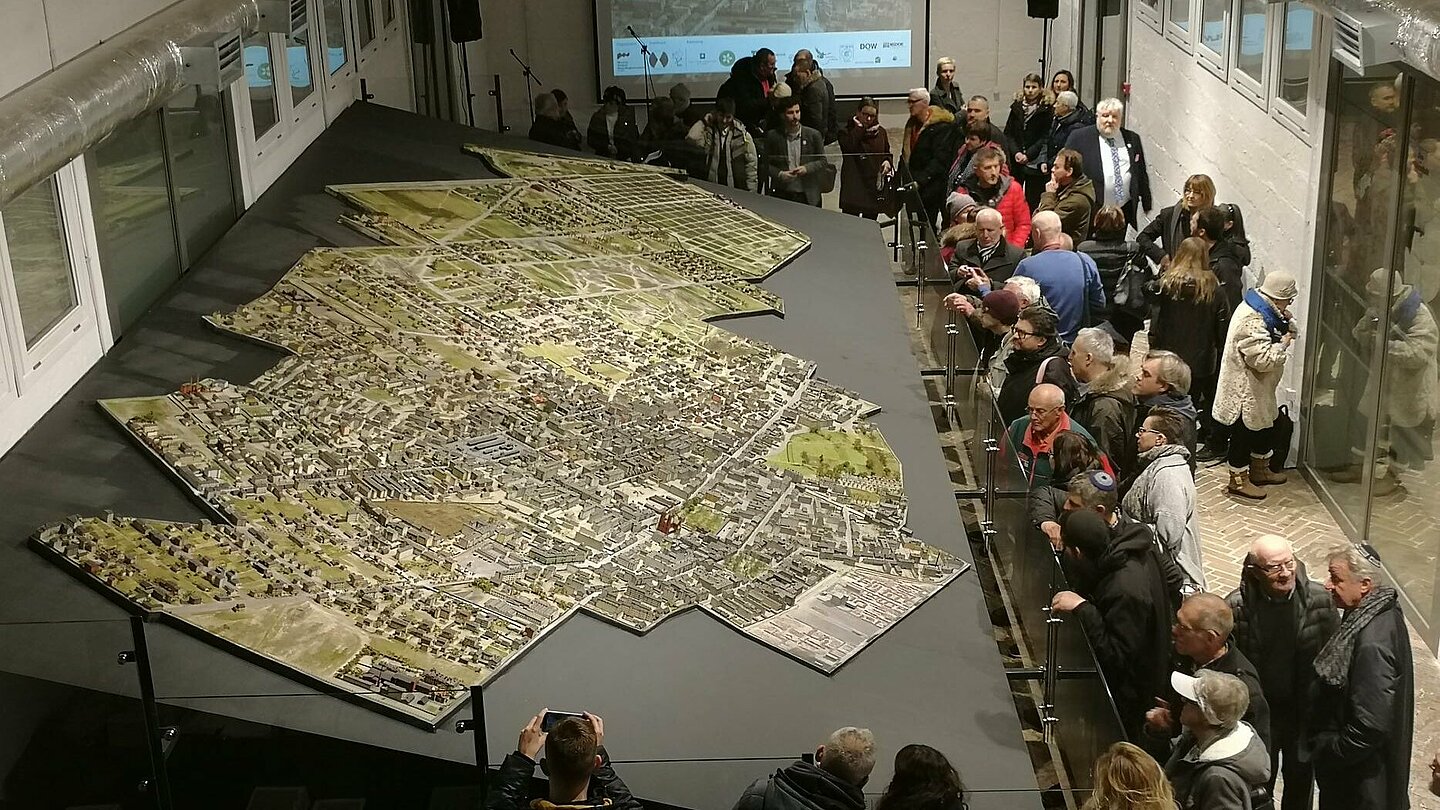
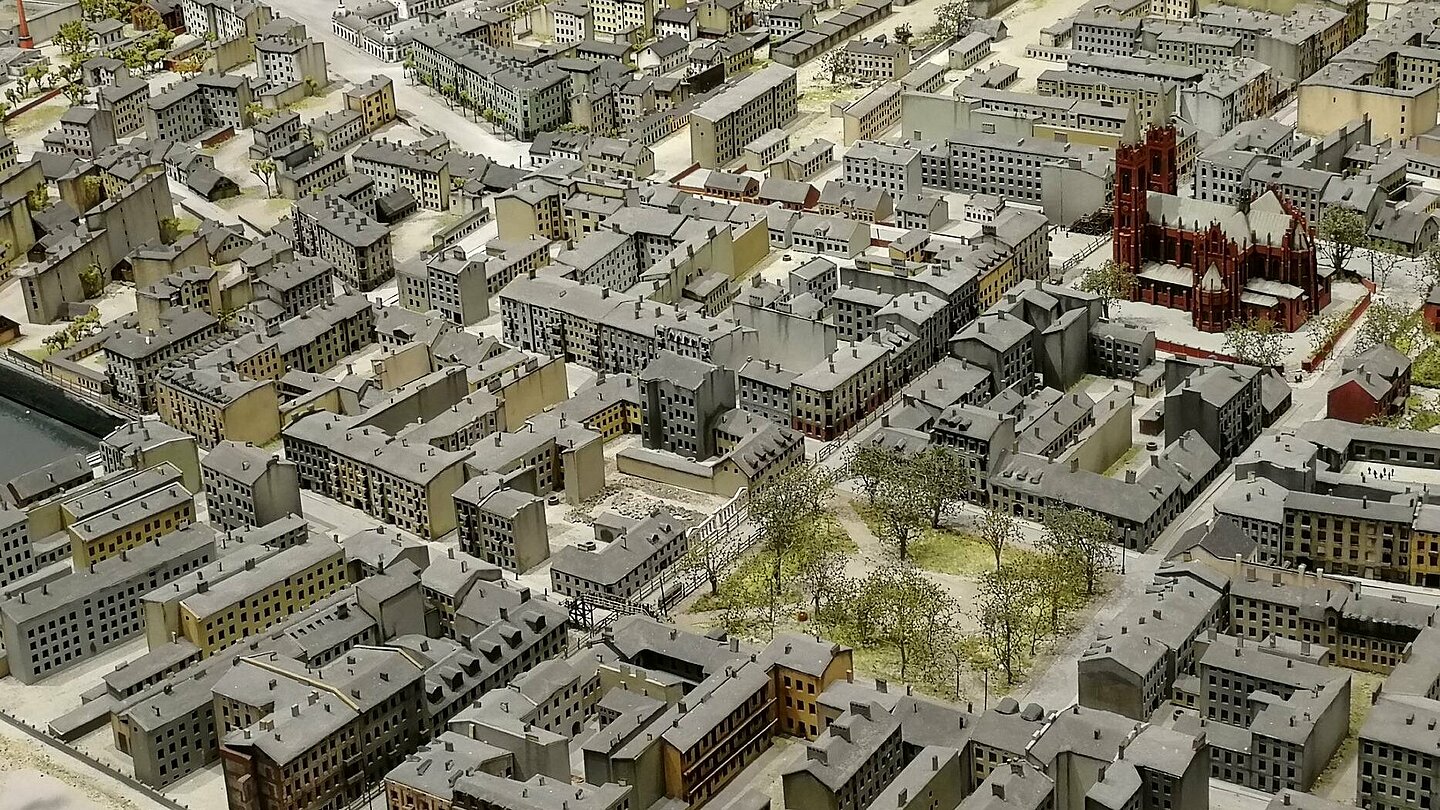
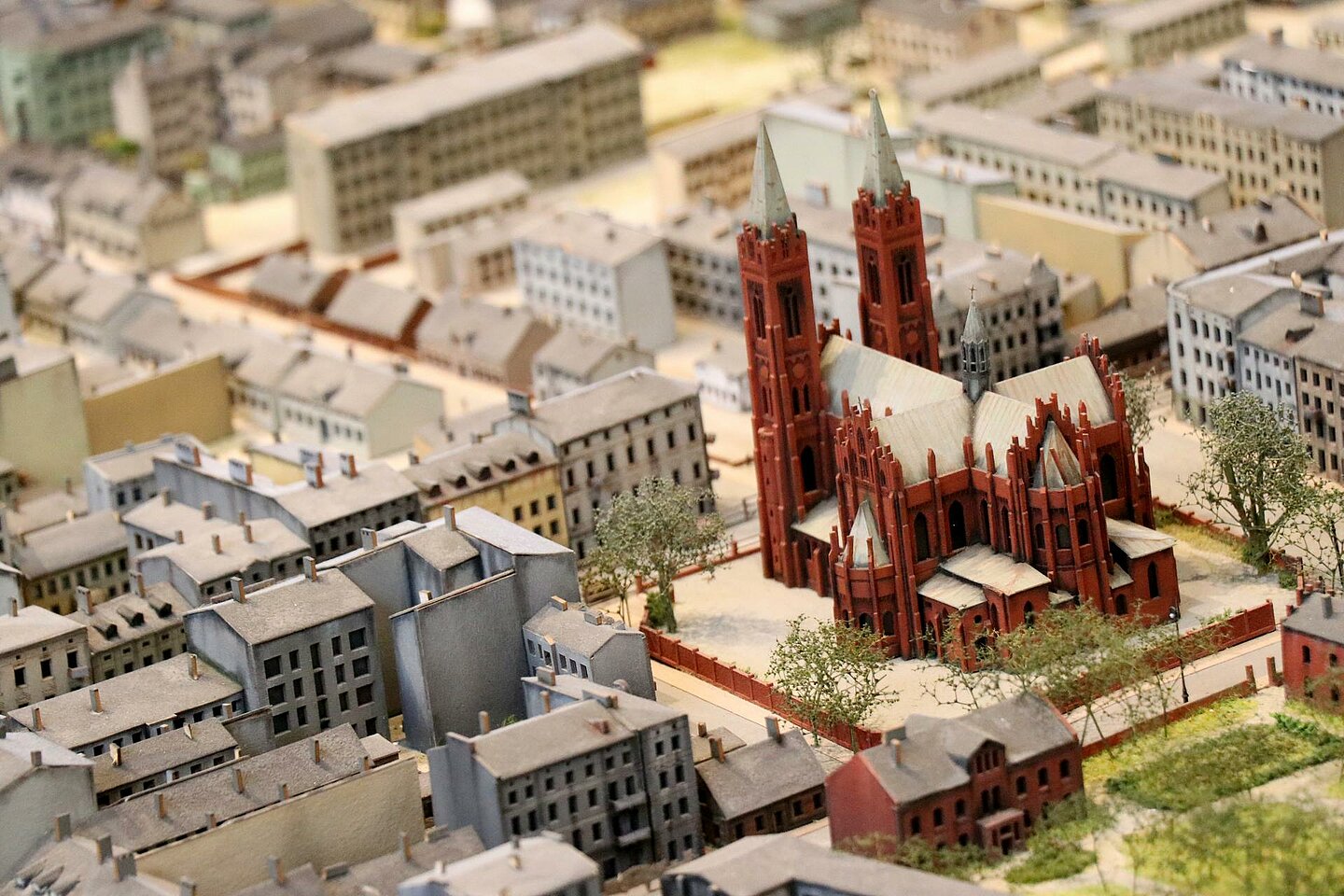
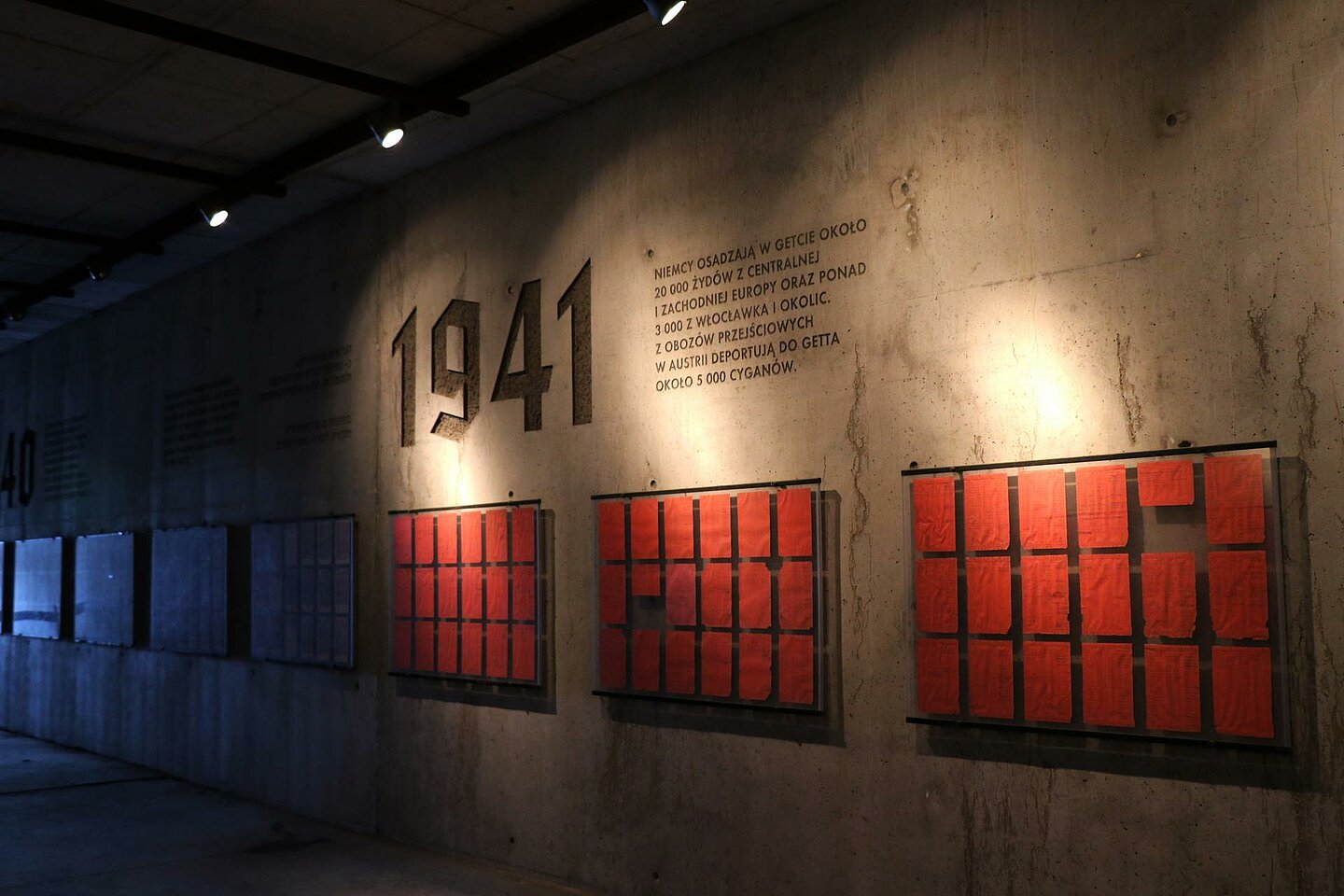
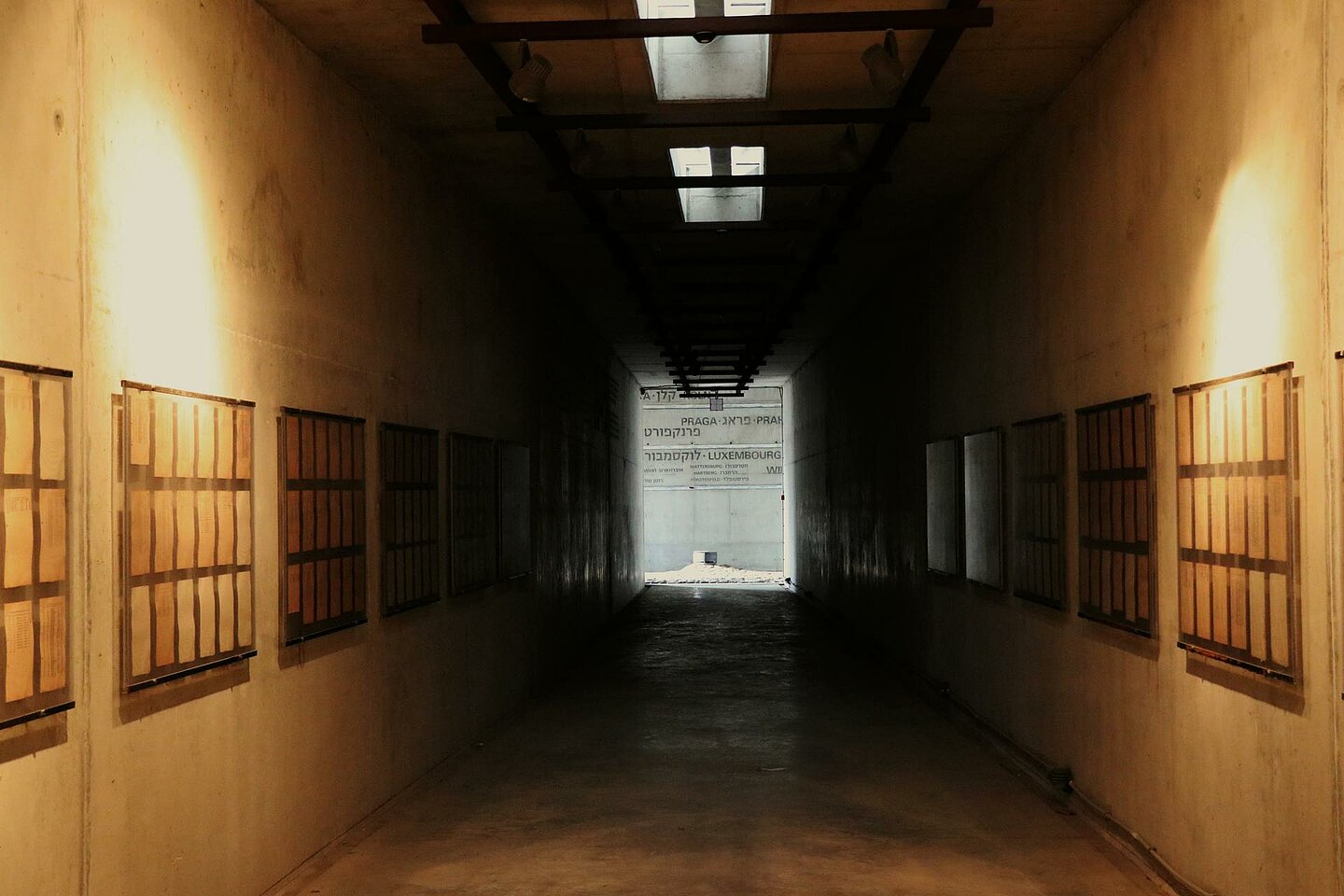
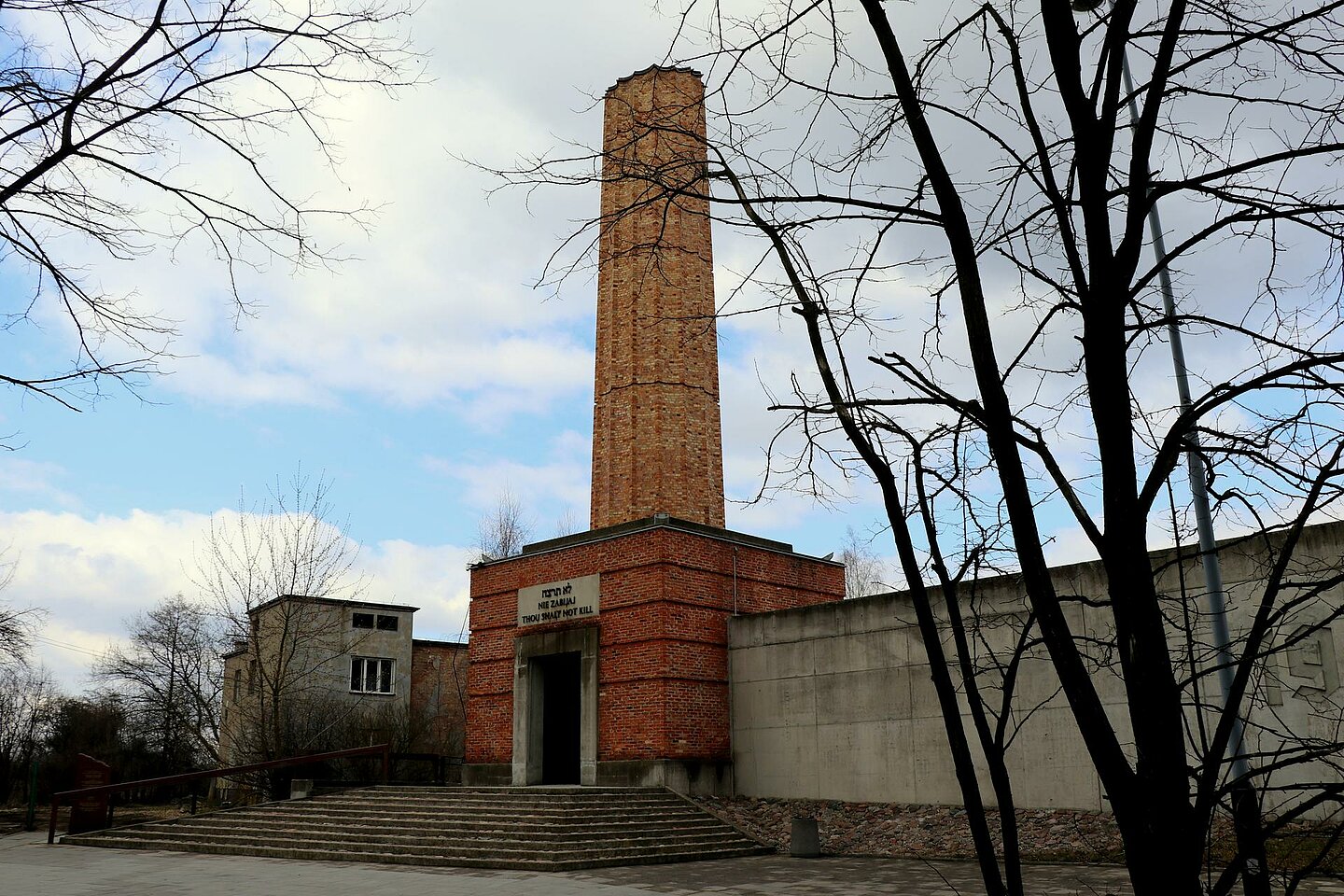
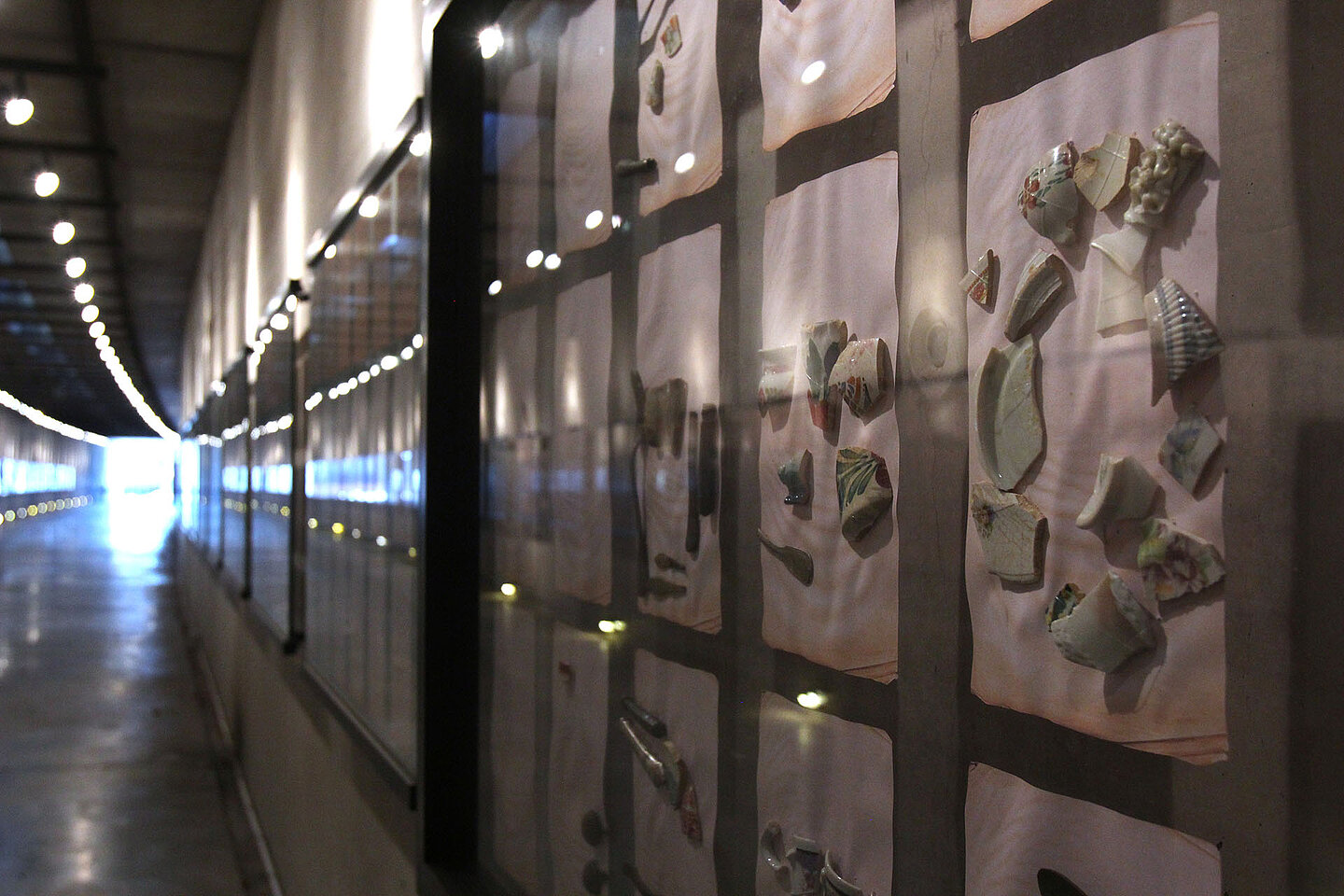
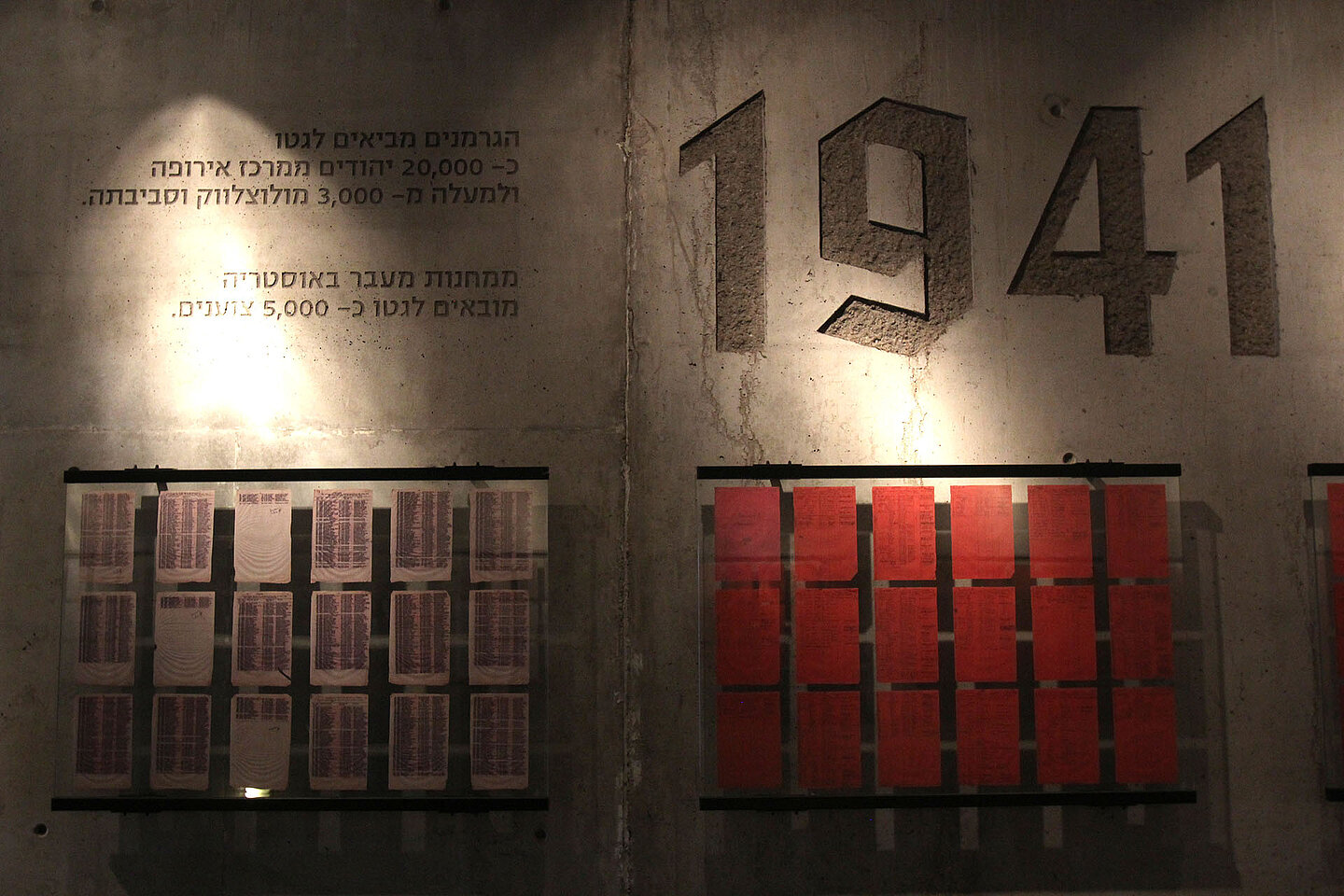
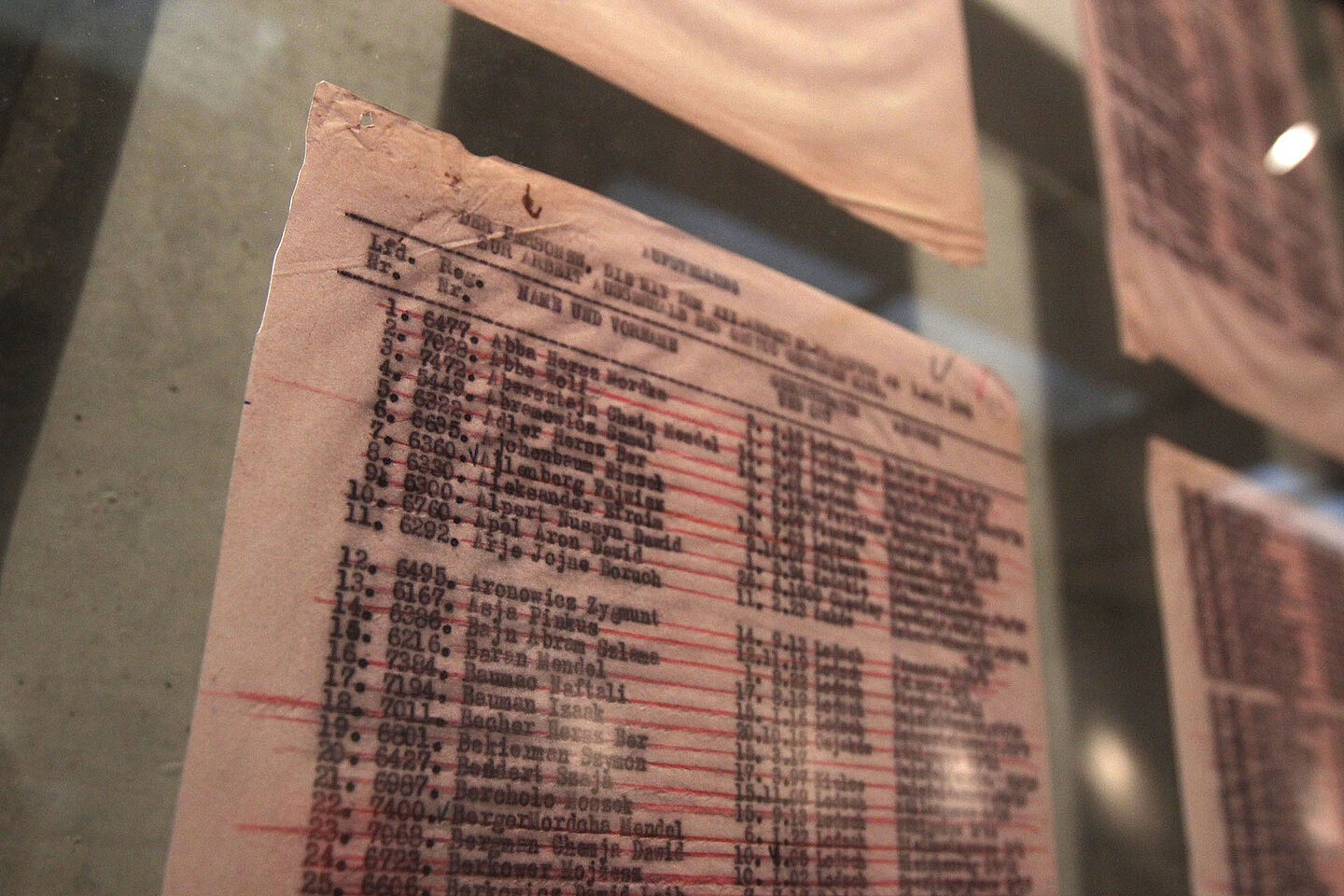
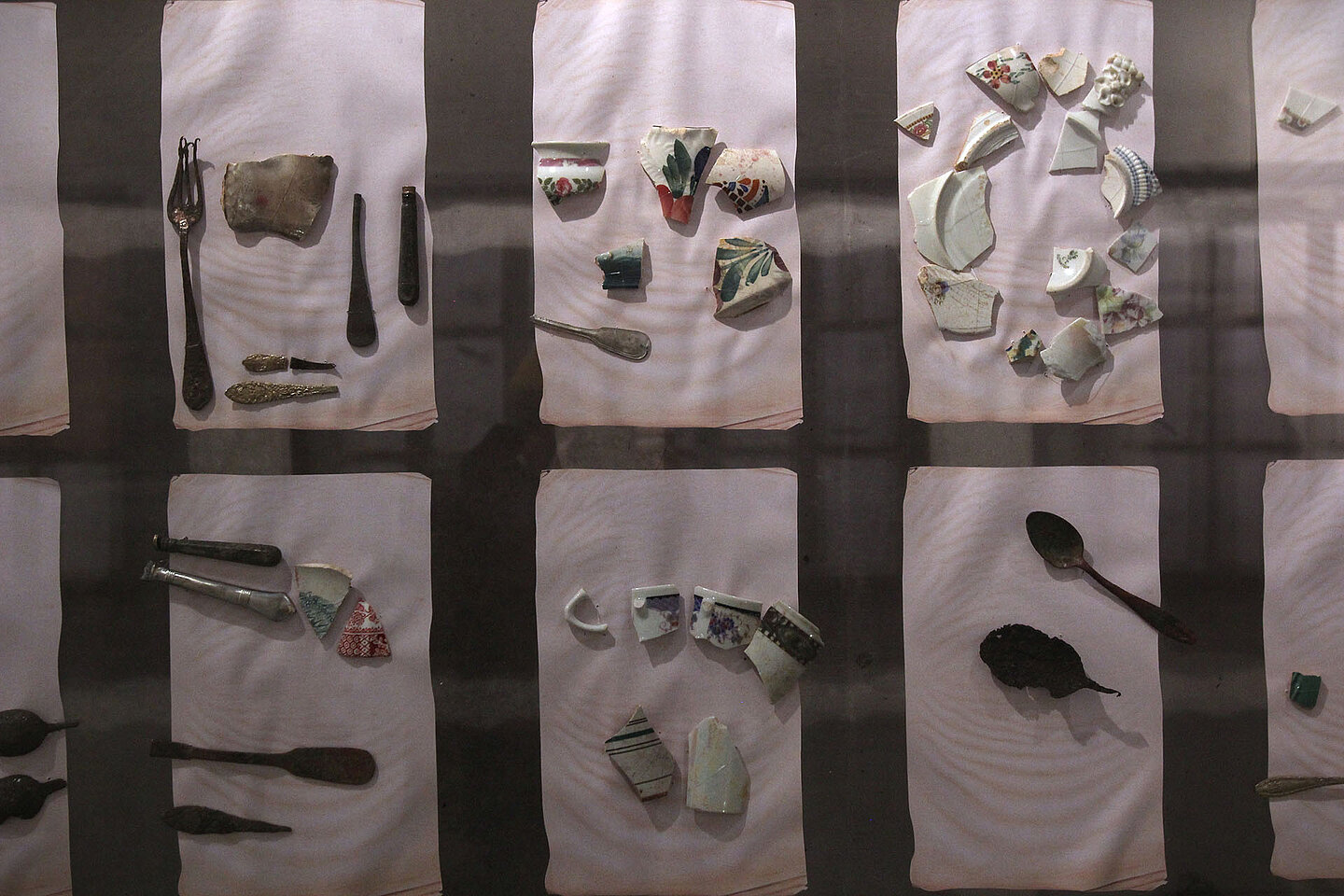
The exhibition inside the station building features a model of the Łódź Ghetto. It is the largest model of its kind in Poland, showing the appearance of the closed district in 1942, at a scale of 1:400. Its detail and highly professional craftsmanship make it possible to trace the main communication routes, small infrastructure, and even notice details of many existing and now non-existent buildings. Besides the model, all preserved transport lists are displayed in a multimedia application, along with artifacts from the Museum’s own collection and other institutions. The largest element of the Memorial is the Tunnel of the Deported, containing selected transport lists arranged chronologically, as well as objects from the extermination camp in Chełmno nad Nerem. At the end of the Tunnel stands the Column of Remembrance, inscribed with the words Do not kill in German, Hebrew, and Polish, with the names of all cities from which Jews were brought to the Łódź Ghetto carved into its walls.
Under the care of this branch is also the Roma Forge (84 Wojska Polskiego Street), one of the preserved buildings of the former “Gypsy camp,” the first place of strict isolation established exclusively for Roma during World War II within the ghetto.
Monday: 09:00 am - 5:00 pm
Tuesday: 09:00 am - 5:00 pm
Wednesday: 10:00 am - 6:00 pm
Thursday: 10:00 am - 6:00 pm
Friday: CLOSED
Saturday: 10:00 am - 4:00 pm
Sunday: 10:00 am - 4:00 pm
The entrance for individual tourist is free.

![[Translate to Angielski:] wlokiennicza lodz](/files/public/_processed_/9/a/csm_Lodz_ulica_Wlokiennicza__9__d32d36259a.jpg)